Skip to content

Supporting early childhood education

Why Early Childhood Education Matters

Early childhood is a foundational period for learning and development. Children develop communication skills, emotional awareness, social understanding, curiosity, and independence through everyday experiences.

Supportive educational environments recognize the importance of play, exploration, relationships, and individual development.
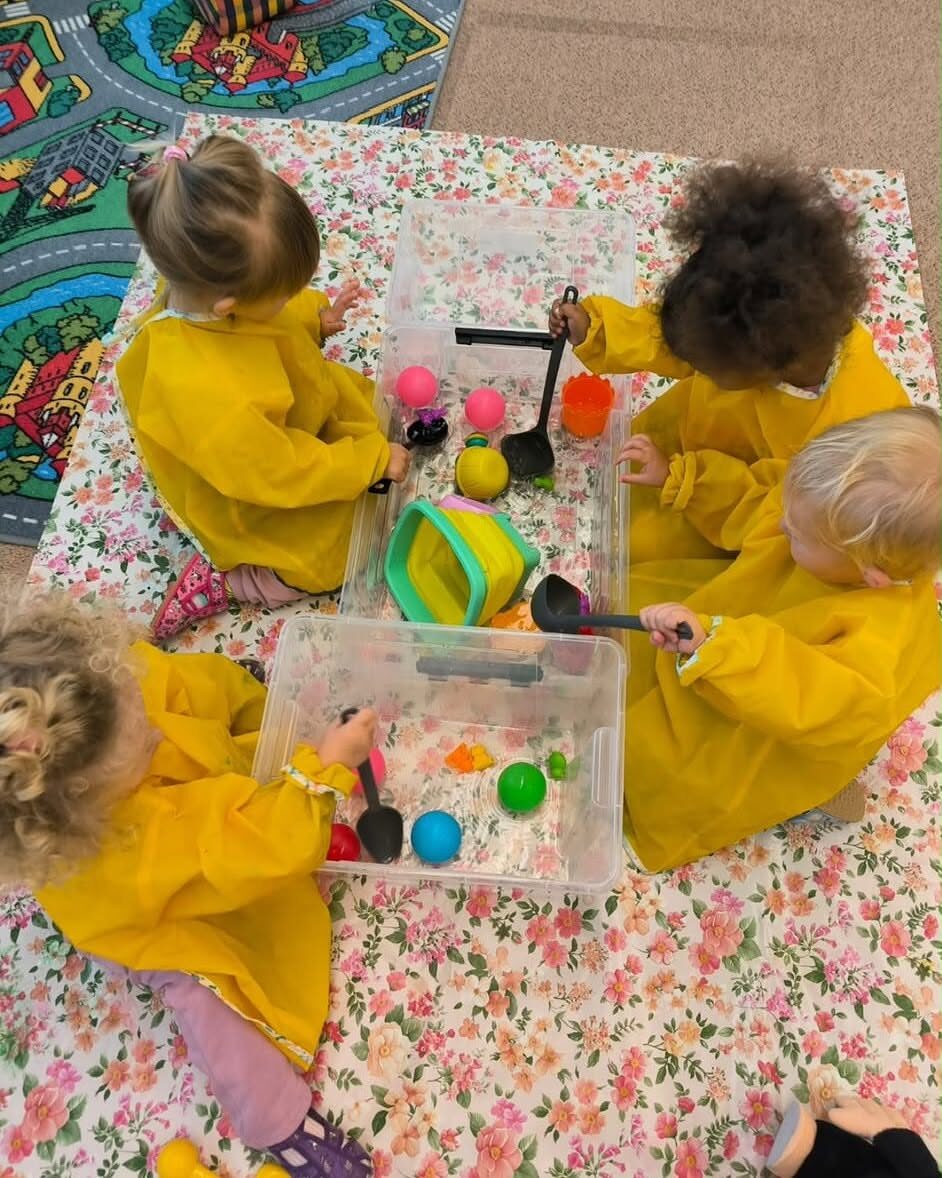
Toddlers in yellow smocks exploring colourful objects in clear sensory tubs

How children grow

Six aspects of early childhood that families and educators can nurture together.

Learning Through Play

Play can support creativity, communication, problem-solving, and social interaction.

Social and Emotional Development

Children benefit from opportunities to understand emotions, develop friendships, and practice cooperation.

Family Involvement

Positive communication between families and educational communities can support continuity and understanding.

Creative Expression

Art, music, movement, storytelling, and imaginative activities provide different opportunities for children to express themselves.

Inclusive Learning Environments

Children have different needs, abilities, interests, and developmental experiences. Respectful, inclusive environments recognize these differences.

Positive Community Relationships

Community relationships can contribute to a broader sense of belonging for children and families.

Families make the difference

Learn how families and educational communities can connect.
Family Engagement